Caring for a loved one with cancer can be overwhelming. Between managing medications, attending appointments, and supporting daily needs, families often feel stretched thin. One way to make life a little easier is through mobile IV therapy services. These services bring essential treatments directly to a patient’s home, offering comfort, convenience, and professional medical support.
In this guide, we’ll explain what mobile IV therapy is, why it matters for cancer patients, and how it fits into home health care for cancer patients. We’ll also address common questions, safety concerns, and the role senior care and adult family homes in Auburn play in supporting patients and families.
What Mobile IV Therapy Services Are
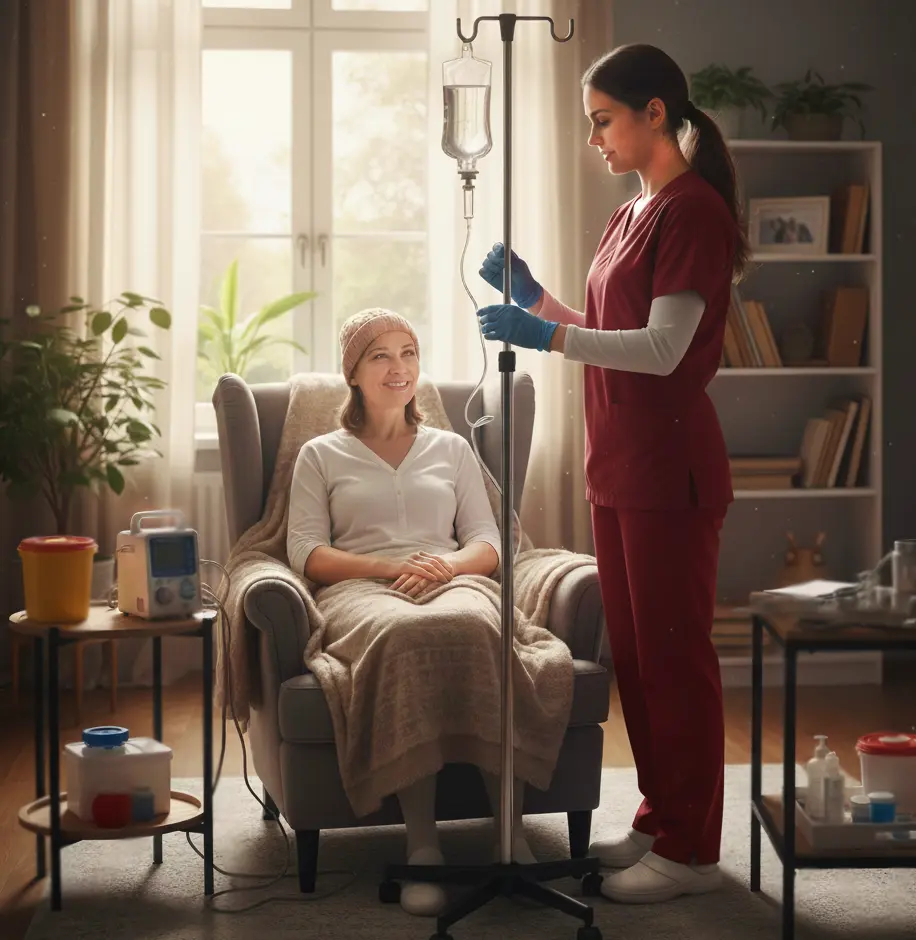
At its simplest, mobile IV therapy is when a trained nurse or medical professional comes to a patient’s home to deliver fluids, medications, or nutrients directly into the bloodstream through an IV.
For cancer patients, these treatments can include:
- Hydration therapy: replacing fluids lost due to treatment side effects.
- Nutritional support: vitamins and minerals to help patients maintain strength.
- Medication administration: certain drugs like anti nausea medications or chemotherapy support drugs.
- Blood transfusions or other specialty infusions: when approved for at home care.
Instead of traveling to a hospital or clinic, patients receive care in a familiar, comfortable environment. The nurse sets up the IV, monitors the patient during the infusion, and ensures everything is safe and effective.
Mobile IV therapy services are not only for convenience they are about making treatment more manageable and reducing stress on both patients and families.
Why Mobile IV Therapy Matters for Cancer Patients
Cancer treatments can be physically and emotionally draining. Chemotherapy, radiation, and even routine medications often cause side effects like fatigue, nausea, or dehydration. Mobile IV therapy can help in several ways:
Reduces the need for travel
Many cancer patients feel weak or unwell after treatments. Traveling to a hospital or infusion center can be exhausting, especially for seniors or those with mobility challenges. Mobile IV therapy brings the care to the patient, reducing physical strain.
Supports hydration and nutrition
Treatments can make it difficult for patients to eat or drink enough. IV fluids and nutrients can help maintain energy levels, prevent dehydration, and improve overall well being.
Provides timely relief
Mobile IV therapy allows for faster intervention when symptoms like dehydration or nausea appear. This can help patients avoid emergency room visits.
Offers emotional comfort
Receiving care at home can ease anxiety and make patients feel more secure. Being in a familiar space, surrounded by family, helps maintain a sense of normalcy.
Fits into personalized care plans
Nurses providing mobile IV therapy often coordinate with a patient’s oncologist or home health care provider, ensuring treatments are safe, appropriate, and tailored to the patient’s needs.
For families, knowing that a professional can come to the home and provide this care can reduce stress and improve quality of life for everyone involved.
Safety, Comfort, and Medical Oversight at Home
A common concern about mobile IV therapy is safety. It’s natural to worry about receiving medical treatments outside a hospital. Here’s what families should know:
- Licensed professionals: Mobile IV therapy nurses are typically registered nurses or licensed practical nurses with training in IV administration. They follow strict protocols for hygiene, medication handling, and patient monitoring.
- Sterile procedures: Nurses use sterile equipment and maintain clean techniques to prevent infection.
- Monitoring during infusion: The nurse monitors the patient’s vital signs, checks for adverse reactions, and is trained to respond if complications arise.
- Clear communication: Mobile IV therapy teams coordinate with the patient’s oncologist or home health provider, ensuring that every treatment fits the overall care plan.
- Comfort focused care: At home, nurses can adjust seating, offer blankets, or help patients with mobility during treatment. This personal touch can make a big difference for those who are already feeling weak or anxious.
Safety and comfort go hand in hand, and the goal of mobile IV therapy is to provide professional care without the stress of traveling to a clinic or hospital.
How Mobile IV Therapy Fits into Home Health Care for Cancer Patients
Mobile IV therapy is a part of broader home health care services for cancer patients. These services are designed to bring medical care into the home and support daily living needs. They can include:
- Skilled nursing visits for medication management, wound care, or symptom monitoring.
- Physical, occupational, or speech therapy sessions.
- Personal care assistance, like help with bathing, dressing, or mobility.
- Emotional support and caregiver guidance.
In the context of home health care for cancer patients, mobile IV therapy provides a specialized service that complements these other supports. For example, a patient might have a nurse visit for IV hydration while also receiving assistance with meals, exercise, or symptom tracking.
This integrated approach is especially helpful for seniors, who may face multiple health challenges and benefit from coordinated, at home care.
Benefits for Seniors and Families
Mobile IV therapy offers several advantages, particularly for older adults:
- Reduced hospital exposure: Seniors are more vulnerable to infections. Receiving treatment at home can lower the risk of exposure to germs.
- Improved comfort: Home environments are more familiar and less stressful than hospitals or clinics. Patients can relax, rest, and maintain routines.
- Flexibility: Scheduling treatments at home can fit around family availability and daily activities.
- Family involvement: Caregivers can observe treatments, learn how to support the patient, and feel more confident managing care.
- Support for decision making: Families can make choices about care collaboratively with medical professionals, rather than navigating complex hospital schedules.
For families, mobile IV therapy can mean fewer trips to medical facilities, less anxiety, and more time spent focusing on quality of life.
Mobile IV Therapy vs Hospital or Clinic Visits
While hospitals and clinics are essential for many treatments, mobile IV therapy offers some unique advantages:
- Convenience: No driving, parking, or waiting in crowded waiting rooms.
- Personalized pace: Treatments can start on time without the delays common in busy clinics.
- Home centered care: Patients are surrounded by familiar objects, pets, and loved ones, which can improve emotional well being.
- Continuity of care: Nurses in mobile IV therapy often communicate closely with oncologists and other home health providers.
However, it’s important to note that not all treatments can be delivered at home. Complex chemotherapy infusions or emergency care still require hospital or clinic settings. Mobile IV therapy is best used as a complement to other care options.
Role of Nursing Homes, Adult Family Homes, and Senior Care in Auburn
For families in Auburn, senior care options like nursing homes in Auburn, adult family homes Auburn WA, and senior care in Auburn play a supportive role alongside mobile IV therapy.
- Nursing homes: Some residents may require occasional IV therapy while living in a nursing facility. Mobile IV services can reduce the need for trips to hospitals.
- Adult family homes: Smaller, home like settings for seniors can coordinate with mobile IV therapy teams to provide individualized care in a comfortable environment.
- Integrated care: Seniors in nursing homes or adult family homes benefit when mobile IV therapy is part of a broader care plan that includes medications, meals, physical activity, and emotional support.
For families considering different living options, knowing that mobile IV therapy can complement these settings provides reassurance that medical needs will be met safely and efficiently.
Questions Families Should Ask Before Choosing Mobile IV Therapy
When exploring mobile IV therapy services, families should consider:
- Credentials and experience: Are the nurses licensed and experienced in oncology or IV therapy?
- Coordination with the care team: How does the service communicate with the patient’s oncologist or home health provider?
- Safety protocols: What infection control and emergency procedures are in place?
- Treatment options: Which medications or fluids can be safely delivered at home?
- Scheduling flexibility: How quickly can appointments be arranged, and are visits adjustable if needed?
- Insurance and costs: What is covered, and are there any out of pocket expenses?
Asking these questions helps families make informed decisions and ensures that home care is safe, professional, and compassionate.
Common Concerns and Honest Answers
Is it safe to receive IV therapy at home?
Yes. Licensed nurses follow strict protocols, monitor patients during treatments, and coordinate with oncologists. Home care can be very safe, often safer than hospitals for seniors vulnerable to infection.
Will it replace my regular oncology visits?
No. Mobile IV therapy complements, not replaces, hospital based care. Chemotherapy or other specialized treatments may still require clinic visits.
What if there’s an emergency during treatment?
Nurses are trained to respond to complications and can call emergency services if needed. Most home IV procedures are low risk and closely monitored.
Will my loved one be comfortable?
Absolutely. Treatments are personalized, and nurses help with seating, blankets, and emotional support. Being at home can reduce stress and improve overall comfort.
FAQs Written in Clear, Human Language
How long does a mobile IV therapy session take?
It depends on the treatment. Simple hydration can take 30 to 60 minutes, while more complex infusions may last several hours. The nurse will explain the expected time before starting.
Can mobile IV therapy be done for seniors in nursing homes?
Yes. Many nursing homes coordinate with mobile IV providers to deliver care on site.
Is mobile IV therapy covered by insurance?
Coverage varies. Some home health insurance plans include mobile IV therapy when prescribed by a doctor. It’s best to check with your provider.
Can family members stay in the room during treatment?
Yes. Most families find it comforting to be present, and nurses encourage participation when appropriate.
Are there side effects from at home IV therapy?
Side effects are usually mild, such as slight bruising or discomfort at the IV site. The nurse monitors for any reactions and addresses them immediately.
Conclusion
Mobile IV therapy services provide cancer patients with an option that combines professional care with the comfort of home. For seniors, families, and caregivers, these services reduce travel stress, support hydration and nutrition, and allow patients to maintain routines and independence.
Whether in a family home, nursing home, or adult family home in Auburn, mobile IV therapy can be a valuable part of cancer home health care services, complementing other nursing and supportive care. By asking the right questions and choosing licensed, experienced providers, families can feel confident that their loved ones are receiving safe, compassionate care.
For families seeking comprehensive support, settings like Cherished Acres Adult Family Home work with healthcare teams to integrate services such as mobile IV therapy, ensuring seniors receive professional care without leaving the comfort of home.
Caring for someone with cancer is challenging, but with the right resources, families can provide comfort, safety, and dignity, one IV session at a time. Read more