Introduction
When a family member moves into a nursing home, food is often one of the first things families worry about. And honestly, that worry makes complete sense. Eating well has always been about more than just calories. It is about comfort. Dignity. Feeling cared for.
But in a nursing home setting, nutrition becomes something even more critical. It directly affects how residents heal, how they feel day to day, and how well their bodies hold up against illness. The stakes are genuinely high, and the best care homes understand that.
This piece walks through why senior nutrition needs are so central to quality elder care, what challenges come up along the way, and how food safety ties into everything else.
How Aging Affects Appetite and Digestion
Here is something most people do not realize until they are watching it happen to someone they love: getting older changes the relationship with food in some pretty significant ways.
Taste buds become less sensitive with age. Many older adults find that food just does not taste the way it used to. This can lead to eating less, which then leads to unintended weight loss and nutrient deficiencies.
Digestion slows down too. The digestive system becomes less efficient at absorbing certain vitamins and minerals, even when a person is eating well. Vitamin B12, calcium, and vitamin D are particular concerns for older adults.
Medications can also interfere. Many nursing home residents are on multiple medications, and quite a few of those affect appetite, change how food tastes, or interact with certain nutrients.
Then there is the issue of thirst. Older adults often do not feel thirst the way younger people do, which puts them at real risk of dehydration. This is something caregivers have to actively monitor because residents may not speak up when they need fluids.
All of this means that simply placing a plate of food in front of a resident is not enough. The food on that plate has to be the right food, in the right form, at the right time.
Understanding Senior Nutrition Needs
Senior nutrition needs are not the same as adult nutrition needs in general. The body changes, and what it requires changes along with it.
Protein becomes more important, not less. Older adults need adequate protein to maintain muscle mass, support immune function, and help wounds heal. This is especially true for residents recovering from surgery, illness, or a fall.
Fiber matters a great deal for digestive health and blood sugar regulation. Many residents struggle with constipation, and a fiber rich diet combined with proper hydration can make a real difference in comfort.
Calcium and vitamin D are essential for bone health. Falls are a leading cause of serious injury in nursing home residents, and bones that are well supported nutritionally are far less likely to fracture when a fall does happen.
Calories, interestingly, often need to decrease slightly as metabolism slows with age, but nutrient density needs to go up. That means every bite counts more. There is less room for empty calories.
Good care homes plan menus around these realities. They work with registered dietitians to make sure the food for elderly in nursing homes is genuinely meeting what residents need, not just filling plates.
Common Health Conditions That Affect Diet
Most people living in nursing homes have at least one chronic health condition. Many have several. Those conditions shape what residents can and cannot eat, and managing nutrition around them is one of the more complex parts of daily care.
Diabetes affects a significant portion of nursing home residents. Blood sugar management depends heavily on consistent carbohydrate intake, meal timing, and avoiding highly processed foods or sugary drinks that spike glucose levels. Menus in well run facilities account for this carefully.
Heart disease and high blood pressure require attention to sodium intake, saturated fats, and overall dietary patterns. Residents with these conditions are usually placed on low sodium diets, which requires the kitchen team to cook thoughtfully rather than relying on salt to add flavor.
Kidney disease is another common condition, and it creates one of the more restrictive dietary situations. Potassium, phosphorus, protein, and fluid intake all need to be managed carefully. Getting the balance right requires close coordination between the kitchen, nursing staff, and often a renal dietitian.
Osteoporosis affects a large percentage of elderly women and many men as well. Adequate calcium and vitamin D through food and supplements is part of managing this, as is making sure residents stay active enough to support bone density.
Pressure injuries, also called bedsores, are a serious concern for residents who are less mobile. Good nutrition, particularly protein and zinc, plays a real role in both preventing these injuries and supporting healing when they occur.
Swallowing Difficulties and Modified Texture Diets
One of the most significant and sometimes most overlooked aspects of food in nursing homes is swallowing. Dysphagia, the clinical term for difficulty swallowing, is extremely common among elderly residents, particularly those who have had a stroke, have Parkinson’s disease, or have dementia.
When swallowing does not work properly, food or liquid can enter the airway instead of the esophagus. This is called aspiration, and it can lead to pneumonia, which is one of the leading causes of hospitalization and death among nursing home residents.
Managing swallowing difficulties requires a team approach. Speech language pathologists assess each resident’s swallowing ability and recommend the appropriate texture level for food and the appropriate thickness for liquids.
There is a standardized framework called the IDDSI, the International Dysphagia Diet Standardisation Initiative, that most professional care settings now use. It describes levels from regular texture all the way down to pureed and liquidized options, with specific thickness levels for drinks as well.
Modified texture diets can be challenging to make appealing. A pureed diet, for example, is medically necessary for some residents, but it can feel dehumanizing if it is not prepared and presented with care. Good kitchens use molds to reshape pureed food into recognizable forms. A pureed chicken breast can be molded to look like a real piece of chicken. That kind of attention matters for dignity and for appetite.
Families should not hesitate to ask about how a loved one’s swallowing has been assessed and what steps the facility takes to make modified diet meals appealing.
Sodium and Sugar Restrictions for Chronic Illness
It can feel strict when families visit and see a loved one eating what seems like bland food. But sodium and sugar restrictions are genuinely important for residents with certain health conditions, and they are not imposed arbitrarily.
Sodium is a major concern for residents with heart failure, high blood pressure, and kidney disease. Most Americans consume well above the recommended daily limit, and for someone with heart failure, even moderate sodium excess can lead to fluid retention and breathing difficulties. Some residents are on limits as low as 1,500 milligrams per day, which requires careful planning in the kitchen.
Good facilities find ways to add flavor without salt. Herbs, spices, citrus, garlic, and proper seasoning technique can make food genuinely delicious even within tight sodium limits. This takes more skill than just reaching for the salt shaker, but it is very doable when the kitchen staff is trained and motivated.
Sugar restrictions matter most for residents with diabetes. Beyond obvious sources like desserts and sweetened drinks, sugar hides in bread, condiments, canned foods, and sauces. A well designed diabetes friendly menu controls portions of carbohydrates at each meal and focuses on whole foods with a lower glycemic impact.
That said, quality of life matters too. Completely eliminating enjoyment from food is not the goal. Many care settings work with residents and families to find reasonable accommodations. An occasional birthday cake in a controlled portion is very different from a daily pattern of high sugar snacking.
Diabetes and Heart Friendly Diet Planning
Managing diabetes and heart disease through diet in a group care setting is genuinely complex. These residents eat in a communal dining room, often alongside people with very different dietary needs, and the kitchen has to serve everyone appropriately.
For diabetic residents, consistency is key. Meals need to go out at regular times because blood sugar regulation depends on predictable patterns. Skipping meals or eating late can cause dangerous blood sugar drops or spikes, especially in residents on insulin.
Carbohydrates need to be counted and controlled. Most facilities use a carbohydrate controlled meal plan rather than a fully restrictive diet, which makes eating more sustainable and dignified for residents. The goal is balance, not deprivation.
For residents with heart conditions, the focus shifts to healthy fats, lean proteins, and fiber. Fried foods, processed meats, and heavy cream based sauces are limited. Instead, meals lean toward baked or grilled proteins, whole grains, plenty of vegetables, and heart supportive fats like those found in fish, nuts, and olive oil.
The best facilities cross train their kitchen teams on these dietary requirements so that substitutions can be made smoothly without calling attention to a resident’s restrictions in front of other diners. Preserving dignity at the table is part of good care.
Food Safety and Infection Control in Nursing Homes
Nutrition is only as good as the safety of the food that delivers it. Food safety in nursing homes is not a background concern. It is front and center.
Elderly individuals have immune systems that are less robust than those of younger adults. What might cause a healthy person a day of discomfort can put a nursing home resident in the hospital or worse. Foodborne illness in this population is genuinely dangerous.
This means every step of the food journey matters. Safe food handling starts with purchasing from reputable suppliers and proper storage. Raw proteins need to be kept separate from ready to eat foods. Refrigerator and freezer temperatures need to be checked and logged regularly. Cross contamination is a constant risk that has to be actively managed.
Cooking temperatures are non negotiable. Chicken, pork, fish, eggs, and ground meats all have specific internal temperature requirements that must be met. A food thermometer is not optional equipment in a nursing home kitchen.
Infection control also extends to how food is transported from the kitchen to the dining room or to residents’ rooms. Hot food needs to stay hot. Cold food needs to stay cold. The window between preparation and service matters, and facilities need systems to manage that consistently.
Hand hygiene is probably the single most important tool in preventing foodborne illness. Everyone who handles food or touches surfaces in the food preparation area has to wash hands properly and frequently. Gloves are used correctly, meaning they get changed between tasks and are not a substitute for handwashing.
Regulatory inspections typically review kitchen practices closely, and facilities are required to maintain detailed logs of temperatures, cleaning schedules, and food handling practices. Families can ask to see health inspection reports, and in most states these are publicly available.
The Role of Food Servers and Kitchen Staff
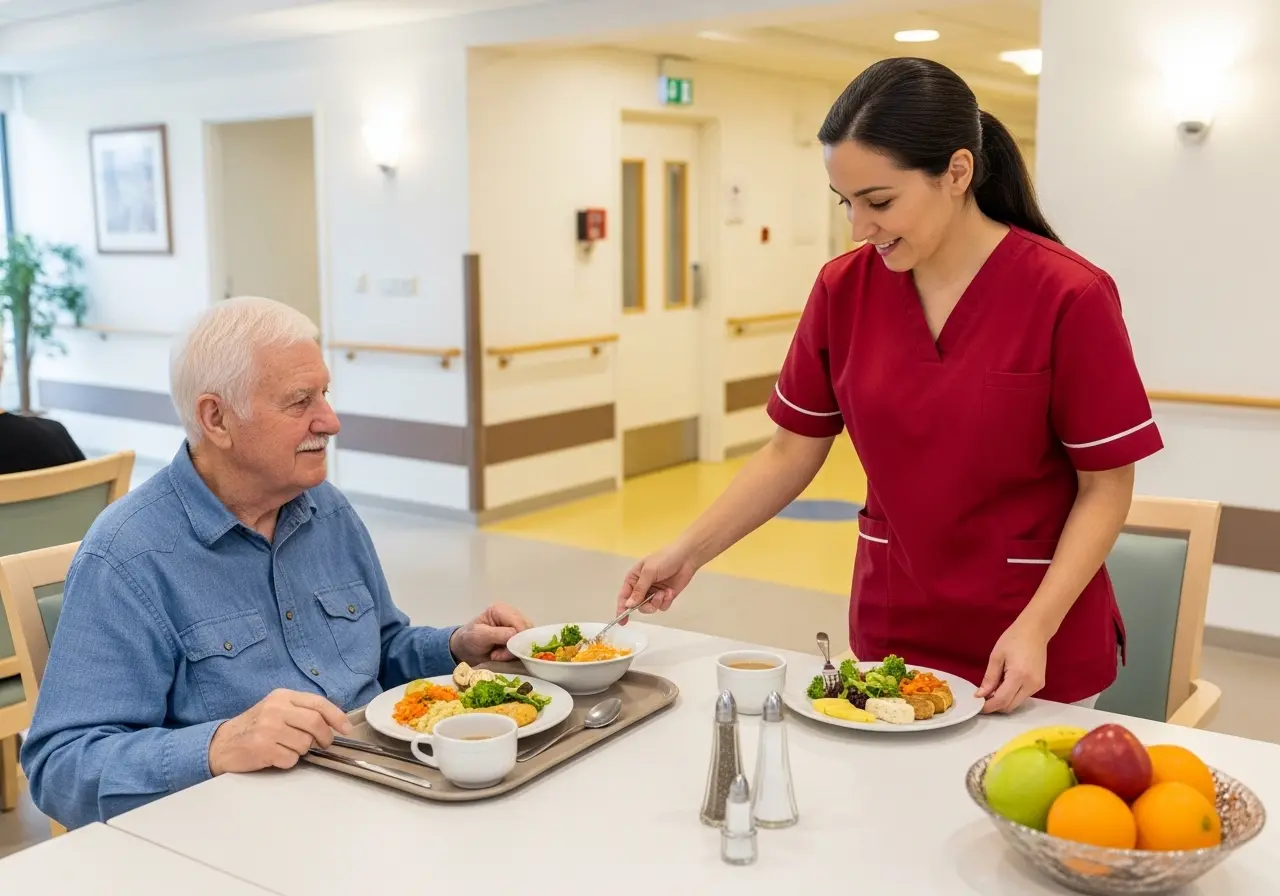
The people working in the kitchen and dining room of a nursing home have a job that is more important than it might appear from the outside. A food server in a nursing home is not simply delivering plates. They are often the person who first notices that a resident has barely touched their meal.
That observation matters. Consistent food refusal, changes in appetite, or difficulty handling utensils can all be early signs of health changes. Good food servers know the residents they serve. They know who always eats everything and who usually only finishes half. They notice when something is off.
Kitchen staff need formal training in food safety, modified texture diet preparation, allergen awareness, and dietary restriction management. This is not something that can be improvised on the job. Many states require specific food handler certifications, and top quality facilities go beyond the minimum.
Dietary aides and cooks also need training in culturally responsive meal planning. Residents come from different backgrounds, and food is deeply tied to identity and comfort. A resident who grew up eating certain foods may experience real distress if those foods are never available. Thoughtful facilities make room for cultural preferences in their menus.
Communication between kitchen staff and nursing staff is essential. When a resident’s diet changes, when a new allergy is identified, or when a resident starts having swallowing difficulties, that information needs to travel to the kitchen quickly and accurately. Written and electronic documentation works better than verbal communication alone.
Can You Get Food Stamps While in a Nursing Home?
This question comes up fairly often, and the short answer is: it depends.
In most cases, people who live in nursing homes that receive Medicaid funding are not eligible for SNAP benefits, which is the federal food stamps program. That is because Medicaid is already covering their meals as part of the cost of care.
However, there are some situations where eligibility may still exist, such as when a resident is in a facility that is not fully Medicaid funded, or when a spouse or other family member who lives outside the nursing home is part of the same benefit household.
Rules vary by state, so it is always worth checking with a local social services office or a benefits counselor if this question is relevant to your family’s situation.
How Families Can Support Safe Eating Habits
Families play a more significant role in a resident’s nutritional wellbeing than many people realize. Regular visits, particularly around mealtimes, can make a real difference.
When families eat with residents, or simply sit with them during meals, residents often eat more. Loneliness can suppress appetite. Having a familiar face at the table changes the experience.
Families can also bring food from home, within reason and within any dietary restrictions the care team has set. A favorite home cooked dish or a familiar snack can spark appetite and provide genuine comfort. Always check with the nursing or dietary staff before bringing food, since some restrictions are medically serious.
Pay attention to weight. Unintended weight loss in a nursing home resident is a red flag that needs to be followed up on. Ask the nursing staff about weight monitoring and what the care plan addresses if weight is dropping.
Ask questions. Good facilities welcome engaged families. It is entirely appropriate to ask about the menu, what the resident is eating, how their swallowing has been assessed, or whether a dietitian has reviewed their care plan.
At places like Cherished Acres Adult Family Home, the smaller, more intimate setting means staff get to know each resident personally, including their food preferences, their eating pace, and their dietary needs. That kind of individualized attention is one of the real advantages of a home like care environment over a large institutional facility.
Frequently Asked Questions
What types of food are typically served in nursing homes?
Most facilities offer a rotating menu that includes proteins like chicken, fish, and eggs; starches like bread, rice, and potatoes; vegetables and fruit; dairy products; and soups. Menus are designed around nutritional guidelines for older adults and adjusted for residents with specific dietary needs. Special diets for diabetes, heart disease, renal conditions, and swallowing difficulties are typically available.
How are swallowing difficulties handled in nursing homes?
Residents with swallowing difficulties are assessed by a speech language pathologist who recommends an appropriate texture level. Food is then modified accordingly, ranging from soft and bite sized options all the way to fully pureed meals. Liquids may be thickened to reduce aspiration risk. Staff are trained to supervise mealtimes for residents with these needs.
What food safety standards do nursing homes have to follow?
Nursing homes are regulated by state and federal agencies and must follow strict food safety standards covering storage, preparation, cooking temperatures, cross contamination prevention, and sanitation. Facilities are inspected regularly, and records are kept of temperature logs and cleaning protocols. Families can typically request or access health inspection reports.
Can residents request food from their cultural background?
Yes, and reputable facilities actively try to accommodate cultural food preferences. It is worth asking during the admission process how the facility handles cultural or religious dietary needs. Many homes make reasonable accommodations and some incorporate cultural preferences into regular menu planning.
How do nursing homes handle diabetes specific diets?
Residents with diabetes typically receive carbohydrate controlled meals with consistent timing. Sugary drinks and high glycemic foods are limited. Kitchen and nursing staff coordinate to make sure meal schedules align with medication and insulin timing. A registered dietitian is usually involved in planning these meal plans.
What should I do if I think my loved one is not eating enough?
Speak directly with the nursing staff and ask for a nutritional assessment. Ask whether the resident has been weighed recently and what the trend looks like. You can also ask whether a dietitian has reviewed the resident’s nutritional status. If concerns are serious, a formal care conference with the interdisciplinary team may be appropriate.
A Final Word
Food is not a small thing. For elderly residents living in nursing homes, what they eat, how it is prepared, and how safely it is handled affects almost every aspect of their health and wellbeing.
Understanding senior nutrition needs is not just a clinical task. It is a way of honoring the people in care. Families who stay engaged with their loved one’s nutritional care, ask good questions, and visit during mealtimes make a real difference. And care teams that take food seriously, from the kitchen to the dining table to the resident’s bedside, are delivering something that matters far beyond the meal itself. Good nutrition in elder care is an act of respect. And residents deserve nothing less. Read more