

Introduction
When a senior is diagnosed with lung cancer, families are often overwhelmed. The news can feel sudden, even if there were warning signs before. Questions come quickly. What kind of care will they need? Can they stay at home? Is a nursing home safer? How do we balance medical needs with comfort and dignity?
I have worked with many older adults living with lung cancer. I have sat at kitchen tables with worried spouses. I have listened to adult children who are trying to do the right thing but feel unsure where to start. There is no single answer that fits every family. Each situation is personal.
This guide is written to help families understand the real differences between home care and nursing homes for seniors with lung cancer. It is not meant to push one option over the other. It is meant to explain what daily life can look like, what support is available, and how families can make choices that feel right for their loved one.
Understanding lung cancer in seniors
Lung cancer is more common in older adults. Many seniors are diagnosed in their late 60s, 70s, or beyond. Aging bodies handle illness and treatment differently than younger ones. Recovery can be slower. Side effects may feel heavier. Other health conditions like heart disease, diabetes, or arthritis often exist at the same time.
For seniors, lung cancer is not just about treating the disease. It is about maintaining quality of life. It is about staying comfortable, feeling safe, and being treated with respect. Some seniors want aggressive care. Others want peace and familiarity. Many want a mix of both.
Family involvement also plays a big role. Some families live close and can help daily. Others live far away or work full time. These realities matter when choosing care.
Different types of lung cancer
Not all lung cancer is the same. Understanding the type helps families understand treatment plans and care needs.
Non small cell lung cancer
This is the most common type. It often grows more slowly than other forms. Treatment may include surgery, chemotherapy, radiation, or newer medications. Some seniors live for years with this type, especially if it is found early.
Small cell lung cancer
This type tends to grow and spread faster. Treatment usually starts quickly and often includes chemotherapy and radiation therapy for lung cancer. Seniors with this diagnosis may need closer monitoring and more support during treatment.
Metastatic lung cancer
This means the cancer has spread to other parts of the body, such as the brain, bones, or liver. Care often focuses on slowing the cancer and managing symptoms rather than cure.
Advanced lung cancer
This term is often used when the disease is at a later stage and not likely to be cured. Treatment may still be offered, but comfort and daily support become more important.
Each type brings different challenges. Care plans should reflect not just the diagnosis, but how the senior feels and what they want.
Symptoms and how lung cancer is diagnosed
Many seniors look back and realize the signs were there before diagnosis.
Common lung cancer symptoms include:
Ongoing cough that does not go away
- Shortness of breath
- Chest pain
- Fatigue
- Unexplained weight loss
- Loss of appetite
- Frequent lung infections
Some early signs of lung cancer are easy to miss. A mild cough. Getting tired faster. Thinking it is just age catching up.
Lung cancer diagnosis often starts with imaging like X rays or CT scans. This may be followed by biopsies or other tests. For seniors, the testing process itself can be tiring and stressful. Appointments may feel overwhelming. Transportation becomes an issue for some families.
Once diagnosed, discussions turn quickly to treatment and care options.
Treatment options and what they mean for daily life
Lung cancer treatment is different for every person. Age alone does not decide treatment, but it does influence how well someone tolerates it.
Chemotherapy for lung cancer
Chemotherapy can shrink tumors or slow growth. For seniors, side effects can include fatigue, nausea, appetite loss, weakness, and increased infection risk. Many need help at home during and after treatment. This is where post chemotherapy home care can make a big difference.
Radiation therapy for lung cancer
Radiation may be used alone or with chemotherapy. Treatments are often daily for several weeks. Seniors may feel tired or have skin irritation or trouble swallowing. Transportation to appointments is often a challenge.
Immunotherapy for lung cancer
These newer treatments help the immune system fight cancer. Some seniors tolerate them well. Others experience inflammation or autoimmune side effects that require close monitoring.
Lung cancer surgery
Surgery may be an option for early stage disease. Recovery can be hard for seniors, especially those with other health problems. Help with bathing, mobility, meals, and medications is often needed during recovery.
Palliative care for lung cancer
Palliative care focuses on symptom relief and comfort at any stage of illness. It helps manage pain, breathing problems, anxiety, and fatigue. It can be provided alongside treatment and often improves quality of life.
Treatment decisions should always consider how they affect daily living, not just the disease itself.
What home care for lung cancer looks like
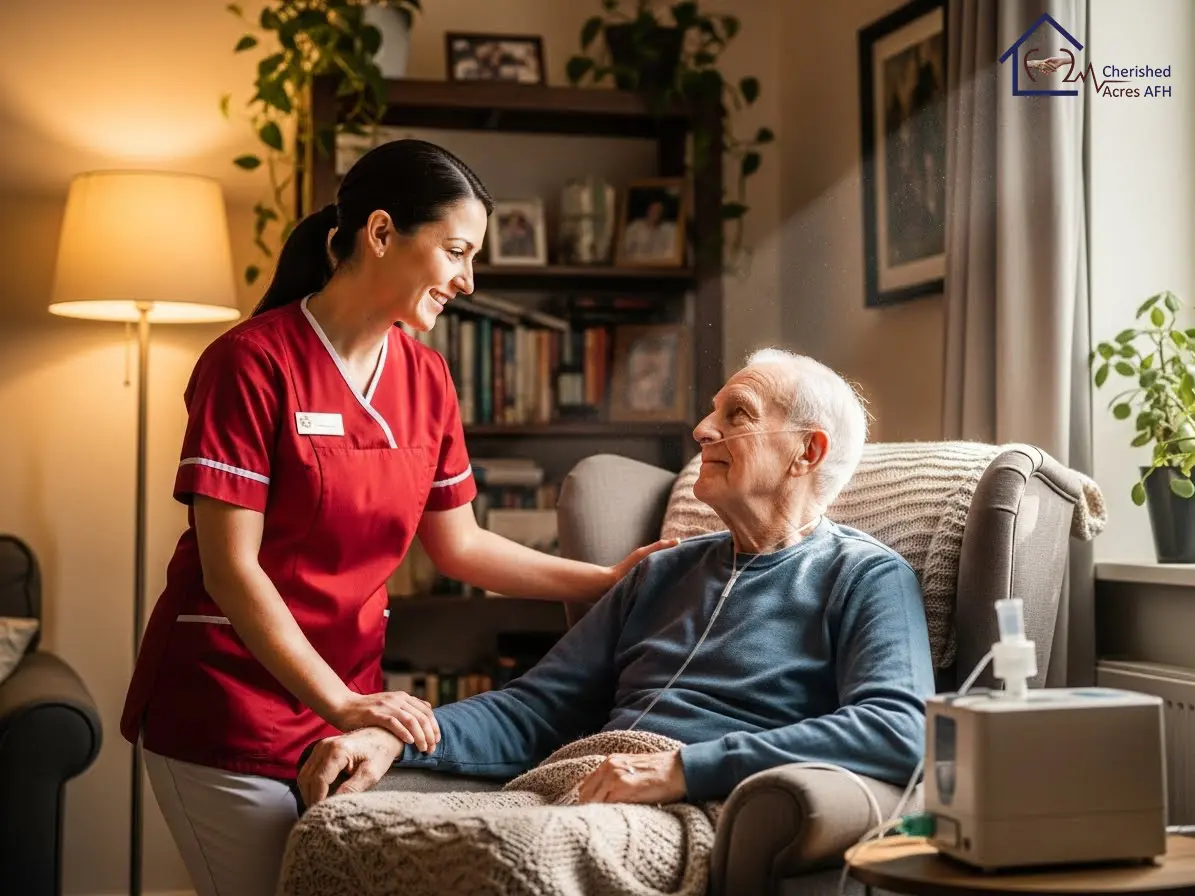
Home care allows seniors to stay in familiar surroundings while receiving help. Many people find comfort in their own bed, their own food, and their own routines.
Home health care for lung cancer patients may include:
- Skilled nursing visits
- Medication management
- Help with oxygen or breathing treatments
- Pain and symptom monitoring
- Assistance with bathing, dressing, and mobility
- Meal preparation and hydration support
Lung cancer home care can be flexible. Care plans can change as needs change. Some seniors need a few hours a day. Others need round the clock support.
In-home nursing for cancer patients is especially helpful during active treatment. Nurses can watch for side effects, manage symptoms, and communicate with doctors.
For families searching online for lung cancer home care near me or lung cancer home care near you, it is important to look for providers with cancer experience. Not all home care agencies understand the specific needs of cancer patients.
In areas like Auburn, Kent, Tacoma, and Federal Way, families often look for local support such as cancer home health care Auburn or home health care for lung cancer patients Federal Way. Local providers understand nearby hospitals, doctors, and community resources.
Home care works best when the senior’s condition is stable enough to be managed outside a facility and when there is family or professional support available.
What nursing homes provide for lung cancer patients
Nursing homes offer 24hour care in a shared setting. They are designed for people who need constant medical supervision.
For lung cancer patients, nursing homes can provide:
- Skilled nursing care around the clock
- Medication administration
- Oxygen management
- Help with mobility and daily activities
- Coordination with doctors and therapists
Some nursing homes are experienced in cancer care. Others focus more on general long term care. Families should ask specific questions about cancer experience and comfort care.
Nursing homes can be helpful for seniors who:
- Have advanced physical needs
- Are very weak or frail
- Need constant monitoring
- Do not have support at home
However, adjusting to a nursing home can be hard. Seniors may feel disoriented or lonely. Shared rooms and schedules can reduce privacy. Emotional well being should always be considered.
Comparing home care and nursing homes
There is no perfect choice. Each option has benefits and challenges.
Home care advantages
- Familiar environment
- More personal attention
- Flexible routines
- Strong emotional comfort
- Family involvement
Home care challenges
- Requires coordination
- May need multiple caregivers
- Can be costly for extensive care
- Depends on home safety
Nursing home advantages
- 24hour supervision
- Immediate access to staff
- Structured care
- Less responsibility for family
Nursing home challenges
- Less privacy
- Emotional adjustment
- Limited personal routines
- Varying levels of cancer experience
Some families combine both. A senior may start with home care and later move to a nursing home if needs increase. Others may use short term nursing care during recovery, then return home.
Comfort, safety, and emotional support
Comfort is not just physical. It is emotional and mental too.
Seniors with lung cancer often face fear, sadness, and frustration. Breathing problems can cause anxiety. Fatigue can lead to isolation.
Home care often supports emotional comfort well. Familiar sounds, pets, family visits, and personal belongings help seniors feel grounded.
Nursing homes can provide safety and structure, but emotional needs must be addressed intentionally. Regular family visits and compassionate staff make a big difference. No matter the setting, emotional support should never be overlooked.
Palliative and hospice care options
As lung cancer progresses, goals of care often shift.
Palliative home care for lung cancer focuses on comfort while treatment may still continue. It helps manage pain, breathing difficulty, and emotional stress.
Hospice care for lung cancer is for seniors who are no longer pursuing curative treatment. Hospice focuses entirely on comfort and quality of life. It can be provided at home, in nursing homes, or in hospice facilities.
Families in Washington often ask about hospice care for lung cancer Kent WA or palliative home care for lung cancer Tacoma. Local hospice teams understand community resources and provide strong support.
Hospice care also supports families. Nurses, social workers, and chaplains help guide loved ones through a difficult time. Choosing hospice is not giving up. It is choosing comfort, dignity, and peace.
How families choose what is best
Choosing care is rarely a single decision. It is a process.
Families should consider:
- The senior’s wishes
- Current symptoms and stage of illness
- Treatment plans
- Safety at home
- Family availability
- Financial considerations
Honest conversations are important. Seniors should be included whenever possible. Even when decisions are hard, feeling heard matters.
Some families find adult family homes helpful. Small, home like settings such as Cherished Acres Adult Family Home offer a balance between home comfort and professional care. These settings often feel less clinical than large nursing homes.
Common questions families ask
Can seniors with lung cancer stay at home safely?
Yes, many can, especially with proper support and home health services.
When is a nursing home needed?
When care needs exceed what can be safely managed at home.
Is hospice only for the last days?
No. Hospice can support seniors for months, focusing on comfort.
What about cancer recovery home care?
After surgery or treatment, short term home care can help seniors regain strength.
Is in-home cancer care in the USA widely available?
Yes, but services vary by location. It is important to ask detailed questions.
Warm, reassuring conclusion
Caring for a senior with lung cancer is one of the hardest journeys a family can face. There is fear, uncertainty, and love all mixed together. There is no perfect roadmap.
Home care and nursing homes both have a place. What matters most is matching care to the person, not just the disease. Comfort, dignity, and compassion should always lead the way.
Families do not have to make these choices alone. Healthcare providers, social workers, and experienced caregivers can help guide the path. With the right support, seniors with lung cancer can feel cared for, respected, and never alone. Read more