

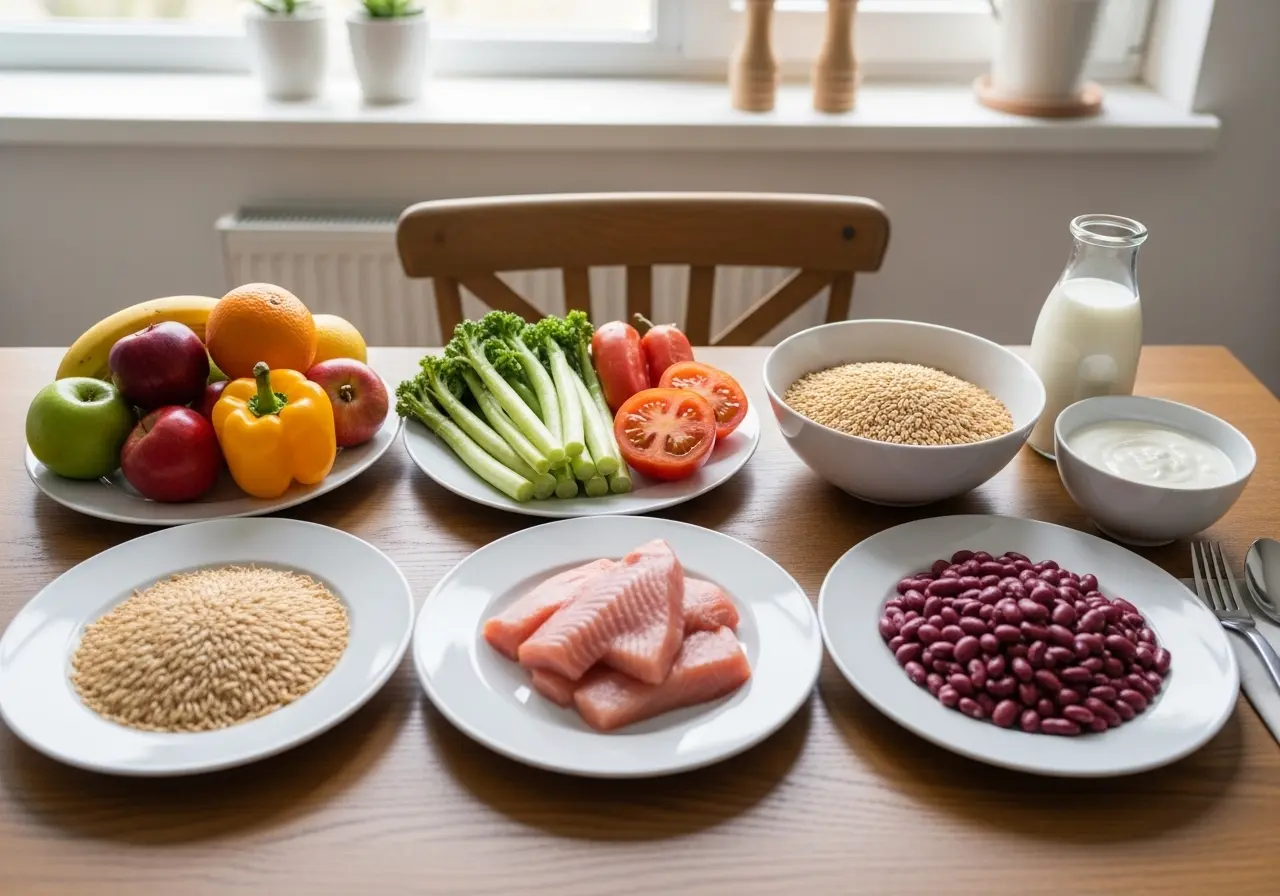
Why Food Becomes More Important as People Get Older
Most of us grow up without thinking too much about what we eat. We grab what is convenient, skip meals when we are busy, and generally trust that our bodies will handle things. But somewhere around the later decades of life, that changes.
Aging does something quiet but significant to the way the body processes food. The stomach empties more slowly. The kidneys become less efficient at managing fluid balance. Muscle tissue starts to break down faster than it rebuilds. The gut absorbs certain vitamins and minerals less effectively, even when the food being eaten is perfectly good.
What this means in practice is that an older person eating the same diet as a younger person may still end up deficient in key nutrients. Not because they are eating badly, but because the body is simply working differently.
For families with a parent or grandparent in a care setting, this is the kind of thing that sits in the back of the mind. You want to know they are being fed well. You want to know the meals are actually doing something useful. And when you walk in at dinnertime and see a small portion of soft food on a tray, it can be hard to tell whether that is exactly right for them or whether something is being missed.
Understanding the five basic food categories is a good place to start. It gives you a framework for thinking about whether a meal is balanced, what to ask the care team about, and what role each type of food plays in keeping an elderly person healthy and strong.
What Changes About Nutrition Needs as People Age
Before we get into the five categories themselves, it is worth spending a moment on what specifically shifts with age, because senior nutrition needs are genuinely different from those of younger adults, not just slightly modified versions.
The first thing people often notice is that appetite decreases. This happens for a range of reasons. Taste buds become less sensitive, so food can seem blander. The stomach produces less acid, which affects how hunger signals are sent. Some medications suppress appetite as a side effect. And when someone is living with chronic pain, depression, or loneliness, eating often becomes something they do because they should rather than because they want to.
At the same time, the need for certain nutrients actually goes up. Protein requirements increase because older muscles lose mass more quickly and need more raw material to maintain themselves. Calcium and vitamin D requirements rise because bones become thinner and the skin becomes less efficient at producing vitamin D from sunlight. Vitamin B12 needs careful attention because the stomach lining thins with age and becomes less able to produce the compound needed to absorb it.
Fiber matters more, not less, as the digestive system slows. And hydration becomes a genuine medical concern because the thirst mechanism becomes less reliable with age. Many older adults are chronically mildly dehydrated without being aware of it, and this affects everything from cognition to kidney function to skin integrity.
Chewing and swallowing also change for many people. Dental problems, dry mouth from medications, and neurological changes can make swallowing harder and sometimes unsafe. Texture modification, which means preparing food in softer, minced, or pureed forms, is a standard part of managing senior nutrition needs in care settings.
All of this is the backdrop against which the five food categories need to be understood.
The 5 Basic Food Categories
1. Grains and Whole Grains
Grains are where most people get the bulk of their carbohydrates, and carbohydrates remain the brain’s preferred energy source at any age. The distinction that matters most for older adults is the difference between whole grains and refined grains.
Whole grains, things like oatmeal, brown rice, whole wheat bread, barley, and whole grain cereals, still have their outer layers intact. That outer layer is where the fiber lives. Refined grains, like white bread and white rice, have been processed in a way that removes most of that fiber along with a good portion of the B vitamins and minerals that were originally present.
For seniors, the fiber in whole grains does several useful things. It keeps digestion moving, which matters because constipation is genuinely common in older adults and causes real discomfort. It helps slow the absorption of glucose into the bloodstream, which supports more stable blood sugar levels. And it contributes to heart health, which becomes increasingly important as people age.
Oatmeal is worth singling out. It is soft, easy to prepare, adaptable to different tastes, and provides a solid base of slow releasing carbohydrates that sustains energy through the morning. Many care settings serve it as a breakfast staple for good reason.
The one adjustment for older adults is portion size. Because overall calorie needs tend to decrease with age, the goal is not necessarily to eat more grains but to make sure the grains being eaten are as nutrient dense as possible.
2. Fruits and Vegetables
If there is one area where senior diets most commonly fall short, it is fruits and vegetables. They require preparation, they spoil quickly, they are not always easy to chew, and for someone with a diminished appetite, they can feel like filler rather than a priority.
But they are doing work that nothing else does quite as well.
Vitamin C from citrus fruits, kiwi, strawberries, and bell peppers supports immune function and wound healing. This matters particularly for older adults who may be recovering from surgery, managing pressure injuries, or simply dealing with a body that heals more slowly than it once did.
Vitamin A, found in carrots, sweet potatoes, spinach, and other deeply colored produce, supports eye health and helps maintain the integrity of the skin and mucous membranes, which are the body’s first line of defense against infection.
Potassium from bananas, tomatoes, leafy greens, and cooked legumes helps manage blood pressure. This is relevant for the majority of older adults who have some degree of hypertension or are at risk for it.
Antioxidants, found across the full spectrum of fruits and vegetables, help counter the oxidative stress that accumulates with age and is linked to cognitive decline, inflammation, and chronic disease.
In care settings, making fruits and vegetables genuinely accessible means thinking about texture. Roasted or steamed vegetables are softer than raw ones. Canned fruit in juice rather than syrup is a practical and nutritious option. Smoothies can carry a significant amount of fruit in a form that requires no chewing at all. A good dietary team thinks about all of this.
3. Protein Foods
Protein is the nutrient that probably deserves the most attention when it comes to senior nutrition, and it is also the one that is most commonly underconsumed.
Here is what happens without enough of it. The body begins drawing on muscle tissue to meet its protein needs. Muscle mass declines. Strength decreases. Balance becomes less reliable. The risk of falls goes up. Recovery from any illness or injury becomes slower and harder. The immune system becomes less robust. Wound healing slows.
This process, called sarcopenia, happens naturally with aging, but it is dramatically accelerated by inadequate protein intake. And because the aging body becomes less efficient at actually using the protein it takes in, the recommended intake for older adults is higher than for younger people, not lower.
Good protein sources for seniors include eggs, chicken, turkey, fish, legumes, tofu, Greek yogurt, cottage cheese, and nut butters. Most of these are relatively soft and easy to eat. Fish is particularly valuable because it delivers protein alongside omega 3 fatty acids, which support heart health and brain function. Serving fish two or three times a week is a practical and worthwhile goal.
For residents who struggle with appetite or have difficulty chewing, protein can be woven into the diet through soft scrambled eggs, lentil soups, high protein yogurt, or fortified drinks. A skilled care team will find ways to get protein in even when a person’s overall food intake is modest.
The food for elderly in nursing homes that tends to make the biggest nutritional difference is often the protein component of each meal. When it is adequate, everything else tends to hold up better too.
4. Dairy and Calcium Rich Foods
Bone health in later life is not just about avoiding osteoporosis. It is about avoiding the fractures that can follow from it, because a hip fracture in an elderly person is genuinely dangerous. Recovery is long, rehabilitation is hard, and the downstream effects on independence and quality of life can be severe.
Calcium is the mineral most directly involved in maintaining bone density, and dairy foods are among its richest and most bioavailable sources. Milk, yogurt, and cheese all deliver calcium in a form the body absorbs relatively easily. Low fat versions are generally preferable for those managing cholesterol, though full fat options may be appropriate for residents who are underweight or struggling to maintain their body weight.
Vitamin D works alongside calcium and is essential for its absorption. Very few foods contain meaningful amounts of it naturally, which is why fortified options matter. Vitamin D fortified milk is a practical and widely available source. Many seniors are deficient in vitamin D, particularly those who spend most of their time indoors, and supplementation is often recommended alongside dietary sources.
For residents who cannot tolerate dairy, either due to lactose intolerance or personal preference, fortified plant based milks made from soy, oat, or almond can provide comparable calcium and vitamin D levels. Other non dairy calcium sources include canned sardines and salmon with soft bones, fortified orange juice, broccoli, kale, and tofu made with calcium sulfate.
Yogurt deserves a specific mention. It provides calcium, contains protein, and delivers live bacterial cultures that support digestive health. It is soft, easy to eat, and versatile enough to work as a breakfast, snack, or dessert.
5. Healthy Fats
Fat has spent years being misunderstood. The idea that all fat should be minimized became so widespread that it shaped food policy and personal eating habits for decades. What we understand now is more nuanced. The type of fat matters enormously.
Unsaturated fats, found in olive oil, avocados, nuts, seeds, and fatty fish, are protective. They support cardiovascular health, reduce systemic inflammation, and play a direct role in brain function. The brain itself is largely composed of fatty tissue, and it relies on a steady supply of healthy fats to maintain its structure and signaling capacity.
Omega 3 fatty acids are a particular subset of unsaturated fat that has received significant research attention in recent years. Consistent evidence links higher omega 3 intake with slower cognitive decline, better mood regulation, reduced inflammation, and improved heart health. For older adults, these are all highly relevant outcomes. Salmon, mackerel, sardines, walnuts, flaxseeds, and chia seeds are all good sources.
Saturated fats, found in red meat, butter, and full fat processed foods, are the ones to moderate rather than eliminate. And trans fats, still found in some packaged and fried foods, are worth avoiding where possible.
In practical meal planning terms, this often looks like using olive oil as the primary cooking fat, offering fish regularly, including a small portion of nuts or seeds as a snack option, and incorporating avocado where it suits the menu. None of these are dramatic changes, but they add up.
How Meals Are Actually Planned in Care Settings
Meal planning in a nursing home or residential care setting is a coordinated process. It is not a chef deciding what sounds good that week. It involves registered dietitians, kitchen staff, care coordinators, and sometimes speech therapists and occupational therapists, all contributing to a system designed to meet individual nutritional needs.
When a new resident arrives, they typically receive a nutrition assessment. This looks at medical history, current medications, known food allergies and preferences, cultural or religious dietary requirements, chewing and swallowing ability, current weight, and recent weight history. From this, a specific diet plan is developed.
The five food categories form the structural backbone of every meal. A balanced lunch plate might include a grain like rice or whole wheat bread, a protein source like chicken or lentils, a cooked vegetable, and milk or yogurt on the side. Fruit might come as dessert or as a mid morning snack.
Texture modification runs through the whole system. Residents on a regular diet eat food in its standard form. Others may be on a soft diet, a minced and moist diet, or a pureed diet, depending on their swallowing assessment. Thickened liquids are used for those with significant swallowing difficulties. The goal is always that the modified version is still nutritionally equivalent to the original.
Snacks are not an afterthought. Many older adults cannot manage large portions at a single sitting, so distributing nutrients across five or six smaller eating opportunities throughout the day is often more effective than relying on three main meals.
Fluids are tracked and offered consistently. Dehydration is a real risk in elderly residents, particularly those on diuretic medications or those who simply forget to drink. Beverages are offered at every meal and snack, and staff are trained to notice early signs of dehydration.
What Food Servers Actually Do in a Care Home
The role of a food server in a nursing home is easy to underestimate from the outside. Someone who has not worked in care might picture it as a straightforward job of carrying plates from the kitchen to the table. It is considerably more than that.
A good food server is observant. They notice when a resident who usually finishes their plate leaves half of it untouched. They notice when someone is struggling to manage a texture they were previously fine with, or when a person seems unusually tired or confused at mealtime. These observations, when communicated to the care team, can prompt early intervention before a small problem becomes a significant one.
Food servers also learn individual residents over time in a way that makes a real practical difference. They know who needs their food cut into smaller pieces, who prefers their vegetables without sauce, who needs extra encouragement to drink their water, and who lights up when there is something familiar on the menu. That knowledge shapes how mealtimes feel for each resident.
In facilities that serve food in nursing homes well, the dining experience is treated as part of overall care rather than as a logistical task to get through. Meals are unhurried. Residents are seated comfortably. The environment is calm. Staff are present and attentive. These things are not incidental. They affect how much residents eat, how much they enjoy eating, and how mealtimes fit into the texture of their day.
In smaller residential settings like adult family homes, this tends to happen more naturally. With only six or eight residents, the person serving the meal knows everyone well. Mealtimes can feel genuinely communal.
What Families Can Do to Help
Families sometimes feel like they are on the outside of the nutrition conversation when a parent moves into a care home. The meals are prepared by someone else, the dietary decisions are made by professionals, and there is a risk of feeling like your input does not really count.
It does.
The most useful thing families can do at the start is share information. Tell the care team about your parent’s food history. What did they always love to eat? What do they refuse no matter how it is prepared? Are there cultural foods that feel like home to them? Are there textures or flavors they find unpleasant? This kind of detail is genuinely useful to dietary coordinators and kitchen staff, and it helps them create a more personalized experience.
Visit during mealtimes when you can. This serves two purposes. It gives you a direct sense of how mealtimes run and whether your parents seem to be eating well. And it gives your parent company at a time when isolation can suppress appetite. Many older adults eat noticeably more when someone familiar is sitting with them.
If you want to bring food from home, check first. Some facilities welcome this. Others have restrictions, particularly for residents on specific dietary protocols. A quick conversation with the care team prevents misunderstandings and keeps your parents safe.
Use care reviews as an opportunity to ask about nutrition specifically. Most facilities hold regular meetings where families can discuss a resident’s progress. Ask about current weight trends, appetite patterns, whether any supplements are in use, and whether the dietary team has any concerns. These are entirely reasonable questions, and a good care team will welcome them.
Cherished Acres and the Difference a Smaller Setting Makes
For families looking at senior care in Auburn, Washington, one of the decisions that comes up fairly quickly is whether a larger nursing home or a smaller adult family home is the better fit.
When it comes to nutrition and daily care, the size of the setting matters more than most people initially realize. Larger facilities have professional dietary staff and structured systems, which is genuinely valuable. But they are also serving a large number of residents, and the level of individual attention each person receives has practical limits.
At Cherished Acres Adult Family Home, meals are prepared for a small number of residents in a setting that functions more like a home than an institution. Staff have the time and the context to know each resident’s food preferences, adapt meals to individual needs, and make mealtimes feel personal rather than scheduled. Families researching assisted living facilities in Auburn WA or adult family homes Auburn WA often find that this kind of personalized environment is what they were looking for without quite knowing it.
Common Questions About Feeding Elderly Adults Well
My parents barely eat anything.
How do I know if they are getting enough nutrition?
Reduced appetite in older adults is very common and often has an identifiable cause. Medication side effects, dental discomfort, depression, swallowing difficulties, and simply not liking the food on offer can all reduce intake. The first step is talking to the care team to see if there is a correctable underlying reason. In the meantime, focusing on nutrient density helps. Small portions of high quality food do more good than large portions of low nutrient options. Protein rich snacks, fortified drinks, and favorite foods from home can all supplement regular meal intake.
How much protein should a senior actually be getting each day?
Current thinking among nutrition researchers suggests older adults need somewhere between 1.0 and 1.2 grams of protein per kilogram of body weight daily. For someone weighing around 65 kilograms, that works out to roughly 65 to 78 grams of protein each day. A registered dietitian can calculate a specific target based on an individual’s health status, muscle mass, and medical needs.
Is it worth giving elderly parents vitamin supplements?
Certain supplements are commonly appropriate for older adults. Vitamin D is one of the most widely recommended, particularly for those who spend limited time outdoors. Calcium supplements may be useful when dietary intake is inadequate. Vitamin B12 supplementation is often needed because the aging digestive system absorbs it less efficiently from food. That said, supplements are not a substitute for food, and anything given should be discussed with a doctor or dietitian first.
What should good food for elderly in nursing homes actually look like?
A well planned meal should include a quality protein source, a grain or starchy vegetable, at least one vegetable serving, and a dairy or calcium rich component. Snacks throughout the day should add fruit, additional protein, and hydration. Texture should be appropriate for the individual. The dining environment should be calm and unhurried. Residents should be given enough time to eat. And the menu should rotate regularly so that the same meals are not appearing every few days.
Are some food groups more important than others for elderly people?
They all matter, but if one group tends to make the biggest difference when it is inadequate, it is probably protein. Insufficient protein drives muscle loss, slows healing, compromises immunity, and makes everything else harder. After protein, calcium and vitamin D tend to be the next most critical, given the direct link to bone health and fracture risk.
Frequently Asked Questions
What are the five basic food categories?
They are grains and whole grains, fruits and vegetables, protein foods, dairy and calcium rich foods, and healthy fats and oils. Together they cover the full range of nutrients the body needs to function well.
Why does it matter which food group foods come from?
Different food groups provide different types of nutrients that the body cannot get elsewhere in the same combination. Dairy provides calcium in a highly absorbable form. Protein foods provide the amino acids needed to build and repair tissue. Whole grains provide fiber and slow release energy. No single food or food group covers everything, which is why variety across all five categories matters.
How do nursing homes make sure residents are eating enough?
Through a combination of regular nutrition assessments, personalized diet plans developed by registered dietitians, texture modified menus for those who need them, attentive service during mealtimes, and monitoring of weight and intake over time. When concerns arise, the dietary team can adjust portion sizes, add supplements, or flag the issue for medical review.
Can the food someone eats really affect how quickly they recover from illness?
Yes, significantly. Adequate protein supports immune function and tissue repair. Vitamin C supports wound healing. Iron and B vitamins support energy levels and red blood cell production. Hydration affects virtually every body system. When a senior is well nourished going into an illness or procedure, recovery tends to be faster and more complete.
What makes senior care in Auburn at an adult family home different from a larger nursing facility?
Scale, primarily. Adult family homes Auburn WA like Cherished Acres serve a small number of residents, which means mealtimes are more personal, preferences are better known, and the overall dining experience is more like being at home. Larger facilities bring professional systems and specialized staff, but the individual attention per resident is naturally more limited.
Good Food Is Part of Good Care
There is a temptation to think of nutrition in clinical terms, as a set of targets to hit and deficiencies to avoid. And in care settings, there is a clinical dimension to it that genuinely matters.
But food is also one of the most human things there is. It carries memories, culture and comfort. A bowl of soup that someone’s mother used to make means something different from a nutritionally equivalent but unfamiliar meal. A mealtime where someone sits with you and checks whether you have everything you need feels different from eating alone.
For older adults, and particularly for those living in care settings, the experience of mealtimes is part of what shapes the quality of each day. When the food is good, appropriately prepared, and served with genuine attention, it does more than sustain the body. It signals that someone is paying attention. That someone cares about the details.
Families who understand the five food categories are better equipped to be involved in that process, to ask the right questions, to notice when something seems off, and to advocate for the kind of nutrition their loved one deserves. Read more