
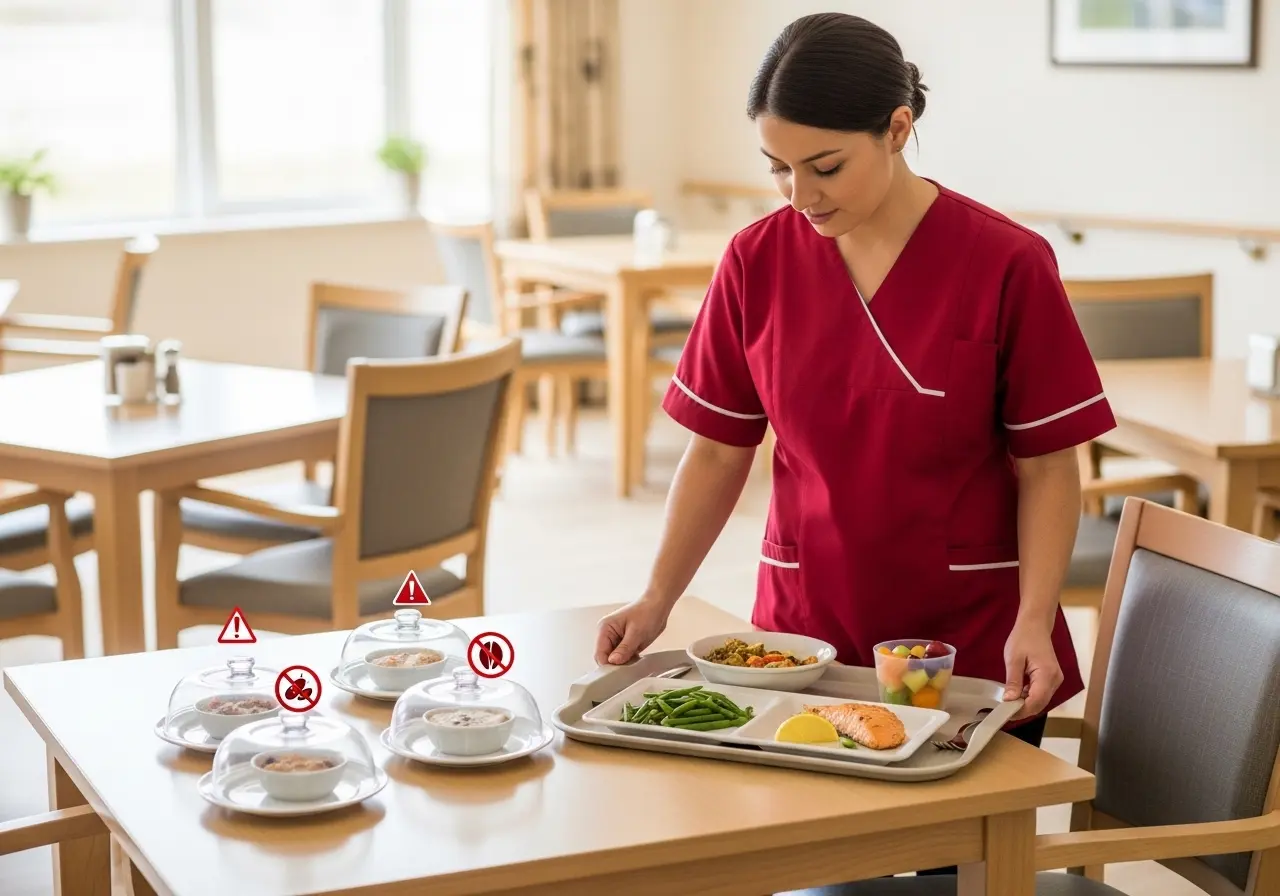
If your parent or grandparent has recently moved into a care facility, one of the first things you probably started wondering about was the food. What are they eating? Is it safe? Will someone actually pay attention to their health conditions?
These are completely normal questions to ask. Feeding elderly residents is not as simple as cooking a regular meal. There are real risks involved, and when those risks are not managed well, the consequences can be serious.
This guide walks you through the foods that should never be served to nursing home residents, the reasons behind those restrictions, and what good senior care looks like when it comes to mealtimes.
Why Nutrition and Safety Matter So Much in Nursing Homes
The body changes as we get older. That’s not a secret. But a lot of families don’t fully realize just how much those changes affect what a person can safely eat.
Swallowing becomes harder for many elderly people. The muscles involved in swallowing weaken over time, and some residents live with conditions like Parkinson’s disease, dementia, or stroke related damage that make this even more difficult. A bite of food that would be perfectly fine for a healthy adult can become a choking hazard or lead to aspiration which is when food or liquid goes into the airway instead of the stomach. Aspiration can cause pneumonia, and aspiration pneumonia is one of the leading causes of death among nursing home residents.
Beyond swallowing, the immune system weakens with age. That means an infection that a younger person might shake off in a few days can become life threatening for an elderly resident. Foodborne illness is a serious concern, not just an inconvenience.
Then there are chronic health conditions. Most nursing home residents are managing at least one, often several. Diabetes, heart disease, kidney disease, high blood pressure all of these require careful attention to what goes on the plate.
Food in nursing homes isn’t just about keeping people fed. It’s about keeping them well.
Foods That Pose Choking and Aspiration Risks
This is one of the most important areas to understand. Choking and aspiration risks are real, and they go beyond just cutting food into smaller pieces.
- Hard, crunchy, or dry foods: are among the most dangerous. Things like raw carrots, celery sticks, whole nuts, popcorn, chips, hard candies, and pretzels should never be placed in front of a resident who has any swallowing difficulty. Even residents who seem to be doing fine need to be evaluated before these foods are offered.
- Stringy or fibrous foods: can tangle in the throat. Celery strings, certain cuts of meat, and pineapple are examples. They don’t break down easily with chewing and can cause serious problems.
- Sticky foods: are also a concern. Peanut butter eaten in large amounts, certain breads, or thick marshmallow type textures can stick to the back of the throat and be very hard to clear safely.
- Foods with mixed textures: are tricky because they require more complex coordination to swallow. Think of soup with large chunks, cereal in milk, or watermelon which has both a liquid and a solid component. A resident whose swallowing is compromised may handle the liquid and solid parts very differently in the same mouthful.
- Thin liquids: deserve special mention. Water, juice, tea, and broth all move quickly through the mouth and throat. Residents with dysphagia (swallowing difficulty) often need liquids thickened to a nectar or honey consistency so the liquid moves more slowly and gives them more control. Offering thin liquids to someone who needs thickened ones is not a minor oversight it can lead to aspiration.
The right approach is a proper swallowing assessment by a speech language pathologist. A good care home will have protocols for this, and staff should know which residents need which texture level.
Foods Unsafe for Residents with Weakened Immune Systems
Elderly people often have what’s called a compromised immune system. Their body simply doesn’t fight off infections the way it used to. This makes certain foods that are considered safe for healthy adults genuinely dangerous for nursing home residents.
- Raw or undercooked eggs: should never be served. That means no soft boiled eggs with runny yolks, no dishes made with raw egg, and no homemade Caesar dressing or traditional aioli. Salmonella is a real and present risk.
- Raw fish or undercooked shellfish: have no place on a nursing home menu. Sushi, sashimi, raw oysters, ceviche are foods that carry risk even for healthy people. For elderly residents, that risk is multiplied significantly.
- Unpasteurized products: are a category that catches some families by surprise. This includes unpasteurized milk, soft cheeses made from unpasteurized milk (like certain brie or camembert styles, queso fresco, or some artisan varieties), and fresh pressed juices that haven’t been pasteurized. These can carry listeria and other bacteria that are especially dangerous for older adults.
- Deli meats and hot dogs that haven’t been properly heated: can also carry listeria. If these are served, they should be heated until steaming, not just warmed.
- Sprout: bean sprouts, alfalfa sprouts, and similar items are frequently contaminated with bacteria and should be avoided entirely in a nursing home setting.
It’s not about being overly cautious for its own sake. It’s about understanding that a foodborne illness that might mean a rough day or two for a healthy 40 year old can mean hospitalization or worse for a frail 85 year old.
High Sodium Foods and Why They Matter
Sodium is one of the most significant dietary concerns in senior care. A large percentage of nursing home residents are managing high blood pressure, heart failure, or kidney disease all of which require sodium restrictions.
The foods highest in sodium are often the ones people love most. Processed deli meats, canned soups, pickles, soy sauce, most fast food, frozen meals, and a lot of commercially prepared sauces are loaded with sodium. Even things that don’t taste particularly salty like bread, cottage cheese, or canned vegetables can contain surprising amounts.
Excess sodium causes fluid retention. For someone with heart failure, this can mean significant swelling, shortness of breath, and in serious cases, a trip to the emergency room. For someone with kidney disease, it puts additional strain on organs that are already struggling.
Care facilities should be preparing meals with fresh ingredients and minimal added salt, and kitchen staff should understand which residents have sodium restrictions. Seasoning food with herbs, citrus, and other flavorful alternatives makes a real difference both in safety and in whether residents actually enjoy their meals.
High Sugar Foods and Diabetes Concerns
Diabetes is extremely common among elderly residents. Type 2 diabetes affects a large portion of the nursing home population, and poorly managed blood sugar has serious health consequences: nerve damage, vision problems, cardiovascular complications, impaired wound healing, and increased infection risk.
That doesn’t mean residents can never have something sweet. But it does mean that food in nursing homes needs to be thoughtful about sugar content. Items like regular soda, sweetened fruit juices, candy, cake, cookies, and high sugar desserts should not be freely available to residents managing diabetes.
This is one area where family members sometimes cause unintentional problems. They bring in treats with the best intentions a box of chocolates, a slice of birthday cake, a bag of candy not realizing that for some residents, this can cause dangerous blood sugar swings.
If you want to bring food to a loved one in a care facility, it’s worth checking with the dietary staff first. They’re not trying to be restrictive. They’re trying to keep your family member safe.
Raw and Undercooked Meat
This one seems obvious but deserves to be stated clearly. Undercooked meat whether it’s beef, chicken, pork, or lamb is never appropriate in a nursing home setting.
That means no pink hamburgers, no rare steak, and absolutely no raw ground meat preparations. Chicken should always be cooked completely. Pork should reach safe internal temperatures. Even if a resident specifically requests a rare steak, the duty of care means that request should be handled thoughtfully, with consideration of their overall health status and immune function.
Ground beef in particular carries higher risk than whole cuts because bacteria present on the surface can be mixed throughout during grinding. It must be cooked to a safe temperature all the way through.
Foods That Interact with Medications
This one often goes overlooked in conversations about what not to serve residents. Some foods have known interactions with common medications.
- Grapefruit and grapefruit juice: is perhaps the most well known example. It interferes with the way the body processes a range of medications, including certain statins, blood pressure medications, some heart medications, and others. The effect can cause medications to become more potent or less effective, depending on the drug.
- Leafy greens high in vitamin K: like kale, spinach, and collard greens can interfere with warfarin (a blood thinner commonly used in older adults). That doesn’t mean these vegetables should never be eaten, but portions should be consistent and monitored, and the dietary team should know which residents are on blood thinners.
- High potassium foods: like bananas, oranges, and potatoes can be problematic for residents with kidney disease or those on certain medications that affect potassium levels.
- Tyramine rich foods: aged cheeses, cured meats, fermented products can cause dangerous blood pressure spikes in people taking certain medications, including some antidepressants.
A proper medication review with the care team should inform dietary decisions. This is one of the clearest examples of why food in nursing homes must be treated as a clinical concern, not just a hospitality function.
Food Safety Standards in Nursing Homes
Beyond what’s on the menu, how food is stored, prepared, and served matters enormously.
Nursing homes and care facilities are required to follow strict food safety regulations. These cover everything from proper refrigeration temperatures to how long leftovers can be kept, how cross contamination is prevented, and how surfaces and equipment are sanitized.
Staff who handle food should have food handler certifications and understand the difference between contaminated and safe food. Handwashing protocols, glove use, and proper separation of raw and cooked items are all non negotiable basics.
Food should always be served at the right temperature hot food hot, cold food cold. Food left at room temperature for more than two hours enters what food safety professionals call the “danger zone,” where bacteria multiply rapidly.
Facilities should have documented systems for all of this. If you visit a care home and the kitchen looks disorganized or staff seem unfamiliar with basic food safety, that’s worth asking about.
How Care Homes in Auburn Handle Dietary Restrictions
If you’re looking at a senior care home in Auburn, Washington, or surrounding areas, you want to ask specific questions about how they handle dietary needs before you make any decisions.
Good questions to ask include:
- Does the facility conduct a dietary assessment for every new resident?
- Is there a registered dietitian involved in meal planning?
- How does staff handle residents who need modified textures or thickened liquids?
- What is the process for updating a resident’s diet when their health changes?
How does the kitchen handle food allergies?
Nursing homes in Auburn WA and across the state are required to follow federal and state regulations around nutrition and food safety. But the quality of implementation varies. A facility that sees food as a core part of care not just a logistical task will have clear answers to all of these questions.
Assisted living facilities in Auburn WA may have somewhat different regulatory frameworks than skilled nursing facilities, but the commitment to safe, appropriate nutrition should be consistent across all types of senior care in Auburn.
The Role of Smaller Adult Family Homes
Something worth considering when looking at care options is the difference in how larger facilities and smaller homes approach meals.
Larger nursing homes often prepare food in bulk for many residents at once. That’s not inherently a problem, but it can make individualized care harder. A resident whose needs change who develops a new medication interaction, whose swallowing declines, whose diabetes becomes harder to manage may not get immediate dietary attention in a busy large facility.
Adult family homes Auburn WA are a different model entirely. These are small residential homes, often with six or fewer residents, where meals are prepared freshly and dietary needs can be accommodated on a much more personal level.
At Cherished Acres Adult Family Home, for example, meals are prepared with each resident’s specific needs in mind. Staff know the residents personally, their preferences, their restrictions, their health conditions and that knowledge is reflected in what goes on the plate at every meal. It’s a level of individualized attention that’s genuinely difficult to replicate in a large institutional setting.
If you’re exploring senior living Auburn WA options and nutrition is a priority for your family, a smaller home model may be worth serious consideration.
How Families Can Advocate for Safe Meals
You don’t have to leave everything up to the facility. Families play an important role in ensuring their loved one’s dietary needs are being met.
Start by sharing complete information. When your family member first moves in, give the care team a detailed picture of their health conditions, current medications, known food allergies, personal preferences, and any swallowing difficulties they’ve experienced. Don’t assume the medical records tell the whole story.
Visit during mealtimes when you can. Watching how meals are served, how staff assist residents who need help eating, and what’s actually on the plate tells you a lot about how the facility operates day to day.
Ask questions when something doesn’t seem right. If your mother has a sodium restriction and you notice she’s consistently being served salty foods, raise it. If your father needs thickened liquids and you see staff offering him regular water without thickener, that needs to be addressed immediately.
Build a relationship with the dietary coordinator or kitchen staff. They’re often the people who know the most about how food decisions are made, and they’re usually genuinely committed to doing right by the residents.
Review care plans regularly. Dietary needs change as health changes. What was appropriate six months ago may not be appropriate now. Make sure plan updates are happening and that the kitchen team is being informed.
Frequently Asked Questions
Can nursing home residents eat anything they want if they request it?
Not always. Resident preferences matter greatly, and care teams work hard to honor them. But when a specific food poses a real health or safety risk because of a swallowing issue, a medication interaction, or a serious medical condition, staff have a duty of care that may mean certain items aren’t provided. The goal is always to find safe alternatives that the resident still enjoys.
What is a modified texture diet?
A modified texture diet is one where foods are prepared in a specific way to make swallowing safer. Different levels exist minced and moist, pureed, and liquidized are common categories. A speech language pathologist typically recommends the appropriate level after assessing the resident’s swallowing function.
Are food allergies taken seriously in nursing homes?
They should be, and in well run facilities they are. Food allergies should be documented in the resident’s care plan and communicated clearly to kitchen staff. Facilities should have processes to prevent cross contamination for severe allergies. If you have concerns about how a facility handles allergies, ask specifically about their protocols.
What should I do if I want to bring outside food to a resident?
Always check with the care team before bringing food. Let them know what you’re planning to bring and ask if it’s appropriate given the resident’s diet restrictions and health status. This small step can prevent unintended harm.
How often should dietary needs be reassessed?
Ideally, at least whenever there’s a significant change in a resident’s health, when new medications are introduced, and at regular care plan review intervals. In practice, good facilities are reassessing continuously, not just on a scheduled basis.
What regulations govern food safety in nursing homes?
In the United States, nursing homes certified by Medicare and Medicaid must follow federal regulations set by the Centers for Medicare and Medicaid Services (CMS). These include specific standards around nutrition, dietary services, and food safety. State health departments also conduct inspections. You can often look up recent inspection results for facilities online.
A Final Word for Families
Worrying about whether your family member is eating safely is one of the most natural things in the world. Food is care. It’s comfortable. It’s a huge part of quality of life, especially for someone who may have lost independence in other areas.
The good news is that when a care home is doing its job well, mealtimes should be something residents look forward to, meals that are safe, appropriate to their needs, and genuinely enjoyable.
If something feels off, trust that instinct and ask questions. The best facilities welcome family involvement and see it as part of good care. And if the answers you’re getting aren’t reassuring, it may be time to look more carefully at your options.
Food safety in nursing homes isn’t a detail. It’s a cornerstone of the whole enterprise. Your loved one deserves to be nourished well, and there are care homes that make that a genuine priority every single day. Read more